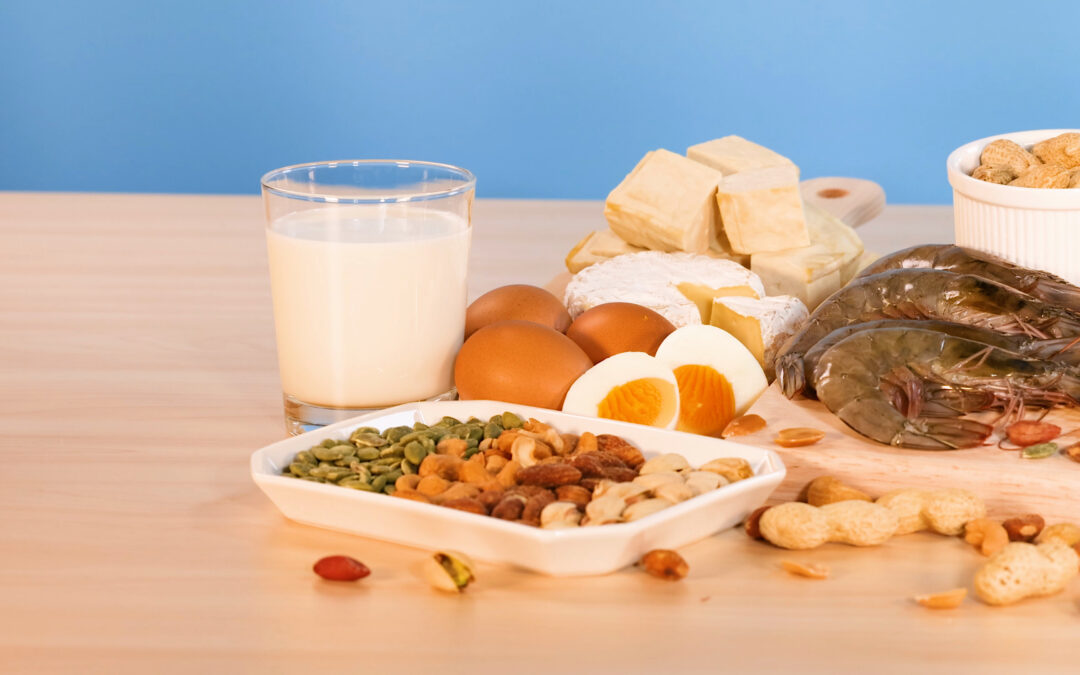
High protein food can play an important role in maintaining good nutrition during cancer and its treatment. Side effects such as nausea, vomiting, loss of appetite, mouth sores, taste changes, fatigue, and difficulty swallowing may make it challenging to eat enough food and get the nutrients the body needs.
During this time, getting enough protein can be an important part of maintaining nutritional health. A high protein diet for cancer patients can provide amino acids that the body needs to maintain and repair tissues and support normal body functions.
However, protein is not a treatment or cure for cancer. The amount of protein a person needs depends on factors such as their cancer type, treatment, body weight, nutritional status, kidney function, and other health conditions.
This guide explains why protein is important for cancer patients, which foods can provide protein, how to make meals easier to eat during treatment, and when professional nutrition support may be helpful.
Medical Disclaimer: This article is for educational purposes only and does not replace individualised medical or nutritional advice. People undergoing cancer treatment should consult their oncologist and healthcare team, including an oncology dietitian, before making significant dietary changes or starting nutritional supplements.
Table of Contents
6. Protein Shakes for Cancer Patients: Are They Helpful?
Why Is Protein Important for Cancer Patients?
Understanding why protein is important for cancer patients can help patients and caregivers make informed food choices during treatment.
Good nutrition during cancer treatment can help support strength and overall nutritional health.
Helps Maintain Muscle Mass
Cancer and inadequate food intake can contribute to loss of weight and muscle mass. Adequate protein, along with sufficient overall nutrition and physical activity when medically appropriate, can support the maintenance of muscle tissue.
Supports Tissue Maintenance and Repair
Protein provides amino acids that the body uses to maintain and repair tissues. Getting enough protein is therefore an important part of overall nutritional health.
Helps Meet Nutritional Needs
Some people undergoing cancer treatment may struggle to consume enough food. Including protein-rich foods in meals and snacks can help make smaller amounts of food more nutritionally valuable.
Makes Small Meals More Nutritious
When appetite is low, eating a large meal may be difficult. Adding protein to smaller meals can help increase their nutritional value without requiring a large portion.
Supports Overall Nutrition
Protein is only one part of good cancer nutrition. A balanced nutrition plan should also provide adequate calories, carbohydrates, healthy fats, vitamins, minerals, and fluids.
How Much Protein Do Cancer Patients Need?
There is no single protein target that is appropriate for every cancer patient.
The ESPEN practical guideline on Clinical Nutrition in Cancer recommends that protein intake should generally be above 1 g per kg of body weight per day and, if possible, up to 1.5 g/kg/day.
For example, for a 60 kg adult, this guideline would correspond to more than 60 g and up to approximately 90 g of protein per day.
This is a general guideline and should not be treated as an individual protein prescription. Protein requirements may be different depending on a person’s cancer type, treatment, nutritional status, kidney or liver function, age, body weight, and other health conditions.
Protein requirements can vary based on:
- Cancer type and stage
- Treatment being received
- Body weight
- Muscle mass
- Nutritional status
- Kidney function
- Liver function
- Age
- Activity level
- Other medical conditions
If you are unsure how much protein you need, speak with an oncology dietitian for an individualised recommendation based on your nutritional and medical needs.
Protein-Rich Foods for Cancer Patients
There are many foods that can contribute to daily protein intake. The most suitable choices depend on individual tolerance, dietary preferences, treatment side effects, and medical needs.
Some protein-rich foods for chemo patients include:
- Eggs
- Milk
- Yogurt
- Greek yogurt
- Paneer
- Cottage cheese
- Chicken
- Fish
- Dal, lentils, beans, and chickpeas
- Soy and soy products: soy milk, soy chunks or granules, edamame beans, tofu, and tempeh
- Smooth nut butter
- Protein supplements, if recommended by an oncology nutritionist or dietitian
A high protein diet for cancer patients should not mean eating only protein. The overall diet should provide adequate energy and a variety of nutrients according to individual needs.
10 High-Protein Foods for Cancer Patients
- Eggs
Eggs are a versatile source of protein and can be prepared in different ways.
Soft scrambled eggs or a soft omelette may be easier to eat when chewing is difficult.
- Yogurt
Yogurt can be a convenient protein-rich food, particularly when appetite is low.
Choose varieties that are suitable for your nutritional needs. If mouth sores are present, avoid acidic ingredients that cause irritation.
- Paneer and Cottage Cheese
Paneer and cottage cheese can provide protein in a relatively soft form.
They can be incorporated into soft meals depending on the person’s ability to chew and tolerate them.
- Milk
Milk can be consumed as a drink or added to foods such as:
- Oatmeal
- Porridge
- Milkshakes
- Soups
- Other suitable milk-based foods
Using milk instead of water in suitable foods may increase their protein and calorie content.
- Dal and Lentils
Dal and lentils are useful plant-based protein sources and are common in many Indian diets.
They can be cooked until soft and, when appropriate, blended into a smooth soup or thinner consistency.
- Chicken
Tender, well-cooked chicken can provide high-quality protein.
Shredded chicken or chicken soup may be easier to consume when chewing is difficult.
- Fish
Soft, properly cooked fish can be another protein-rich option.
Preparation should be adjusted according to the individual’s ability to tolerate different textures and flavours.
- SoyProducts
Tofu and other suitable soy foods can provide plant-based protein and may be useful for people following vegetarian and vegan diets.
- Nut Butters
Smooth peanut or almond butter can add protein and calories to foods such as:
- Toast
- Oatmeal
- Milkshakes
- Soft foods
Avoid chunky varieties if chewing or swallowing is difficult.
- Protein Supplements
Protein powders and nutritional drinks may help some people meet their nutritional requirements when regular food intake is inadequate.
However, they are not automatically necessary for every cancer patient. A protein supplement should be selected based on individual nutritional and medical needs and, when appropriate, recommended by an oncology nutritionist or dietitian.
Easy-to-Eat High-Protein Foods for Cancer Patients
Cancer treatment can sometimes cause mouth sores, dry mouth, sore throat, or swallowing difficulties.
In these situations, choosing soft and easy-to-eat foods may make it easier to maintain nutritional intake.
Examples of easy to eat high protein foods for cancer patients include:
- Soft scrambled eggs
- Yogurt
- Cottage cheese
- Soft paneer
- Smooth nut butter
- Protein-rich milkshakes
- Milkshakes
- Soft oatmeal made with milk
- Blended lentil soup
- Soft tofu
- Chicken soup
- Smooth or pureed meals
Protein Shakes for Cancer Patients: Are They Helpful?
Protein shakes for cancer patients can be useful when eating enough protein through regular meals becomes difficult.
They may be considered for people experiencing:
- Poor appetite
- Unintentional weight loss
- Early fullness
- Difficulty chewing
- Difficulty swallowing
- Treatment-related fatigue
- Reduced food intake
Simple High-Protein Milkshake
Depending on individual dietary needs and tolerance, a milkshake may contain:
- Milk or an appropriate milk alternative
- Yogurt
- Banana or another tolerated fruit
- Smooth nut butter
- A medically appropriate protein powder, if recommended
Blend until smooth.
If mouth sores are present, avoid ingredients that are acidic or irritating.
High-Protein Diet During Chemotherapy
Chemotherapy can affect eating in different ways. Possible side effects include:
- Nausea
- Vomiting
- Diarrhoea
- Constipation
- Mouth sores
- Dry mouth
- Taste changes
- Difficulty swallowing
These symptoms can make it difficult to consume adequate food and protein.
A practical approach is to modify meal size, texture, temperature, and timing according to symptoms.
If Appetite Is Low
Try:
- Eating five or six smaller meals instead of three large meals
- Choosing protein-rich foods when your appetite is strongest
- Keeping nutritious snacks available
- Choosing milkshakes when solid foods are difficult to eat
- Including nutrient-dense foods in smaller portions
If Nausea Is a Problem
Choose foods that are easier to tolerate and avoid foods or smells that trigger nausea.
For some people, cold or room-temperature foods may be easier because they can have less smell.
Persistent vomiting or signs of dehydration should be reported to the healthcare team.
If Mouth Sores Develop
Soft and moist foods may be easier to eat.
Consider:
- Yogurt
- Soft scrambled eggs
- Smooth soups
- Milkshakes
- Soft cereals
- Cottage cheese
- Soft paneer
Avoid foods that cause burning or irritation, including spicy, acidic, salty, sharp, or crunchy foods when they worsen discomfort.
If Swallowing Is Difficult
Food texture may need to be changed.
Soft, moist, blended, or pureed foods may be easier to swallow.
Significant or new swallowing difficulties should be discussed with the healthcare team.
Vegetarian & Vegan High-Protein Foods for Cancer Patients
People following a vegetarian diet have many protein options.
Depending on individual tolerance and dietary restrictions, these can include:
- Dal
- Lentils
- Chickpeas
- Beans
- Tofu
- Paneer
- Cottage cheese
- Yogurt
- Milk
- Soy milk
- Eggs, for people who include them
- Smooth nut butter
- Appropriate protein-fortified foods
These vegetarian high protein foods for cancer patients can be included in meals and snacks according to individual nutritional requirements.
A vegetarian cancer diet should provide adequate calories and a variety of nutrients rather than focusing only on protein.
How to Add More Protein to Everyday Meals
You don’t always need to completely change your diet to increase protein.
Breakfast
- Soft scrambled eggs with toast
- Yogurt with soft fruit
- Oatmeal prepared with milk
- Milkshake made with suitable protein-rich ingredients
Lunch
- Dal with rice
- Soft paneer
- Chicken soup
- Tofu with rice
Evening Snack
- Yogurt
- Milkshake
- Cottage cheese
- Smooth nut butter on toast
Dinner
- Dal and rice
- Soft paneer preparation
- Fish with mashed potatoes
- Tender chicken with rice
- Tofu with soft vegetables
The right foods and portions should be adjusted according to individual nutritional requirements and treatment side effects.
Food Safety During Cancer Treatment
Food safety is an important consideration during cancer treatment.
Some cancer treatments can make it easier to get sick from contaminated food. Following appropriate food-safety practices can help reduce the risk of foodborne illness.
General precautions may include:
- Wash your hands before preparing or eating food.
- Keep raw and cooked foods separate.
- Cook meat and eggs thoroughly.
- Refrigerate perishable foods promptly.
- Wash fresh produce properly.
- Avoid expired or spoiled foods.
- Avoid foods specifically restricted by your healthcare team.
- Follow any individualised food-safety recommendations provided by your medical team.
Not every cancer patient requires the same food restrictions. Follow the advice provided by your oncology team based on your treatment and health condition.
Foods and Supplements to Be Careful About
A high-protein diet does not mean taking large amounts of supplements or following restrictive diets.
Be cautious with:
- Herbal supplements
- High-dose vitamins
- Unregulated “cancer cure” products
- Herbal protein blends
- Products containing multiple concentrated ingredients
- Extreme diets that eliminate major food groups
When Should a Cancer Patient See a Dietitian?
An oncology dietitian can help create an individualised nutrition plan based on treatment, symptoms, nutritional status, and medical needs.
Consider speaking with your healthcare team about an oncology dietitian if you:
- Are losing weight without trying
- Have very little appetite
- Cannot eat enough food
- Have persistent nausea or vomiting
- Have difficulty swallowing
- Have severe mouth sores
- Are struggling to meet protein needs
- Have kidney or liver disease
- Have diabetes or another condition requiring dietary adjustments
- Are considering protein powder or nutritional supplements
Early nutrition support may help identify nutritional problems and provide appropriate dietary strategies during treatment.
Final Thought
A high protein diet for cancer patients can be an important part of maintaining adequate nutrition during cancer treatment. Protein-rich foods may help patients meet nutritional needs when appetite is low, meals are smaller, or treatment side effects make eating difficult.
Foods such as eggs, dairy products, paneer, lentils, beans, tofu, chicken, and fish can contribute to daily protein intake. When chewing or swallowing is difficult, soft foods, milkshakes, soups, and other easy-to-eat options may make nutrition easier.
Most importantly, cancer nutrition should be personalised. Protein requirements can vary based on cancer type, treatment, body weight, nutritional status, kidney function, and other medical conditions.
Before making major dietary changes or starting protein supplements, speak with your oncologist or oncology dietitian.
Need Personalised Nutrition Support During Cancer Treatment?
At Oncoheal, our oncology nutritionists provide personalised nutrition guidance based on your diagnosis, treatment, symptoms, nutritional needs, and food preferences.
Our nutrition support can help you make appropriate food choices, manage treatment-related eating difficulties, and work towards maintaining adequate nutrition throughout your cancer care journey.
Speak with an oncology nutritionist for personalised guidance based on your individual needs.
FAQs
(Frequently Asked Questions)
1. Is a high-protein diet good for cancer patients?
Adequate protein can be an important part of nutrition during cancer treatment, particularly when maintaining muscle and nutritional status is a concern. However, protein requirements vary from person to person and should be individualised by a healthcare professional.
2. Why is protein important for cancer patients?
Protein provides amino acids that the body uses to maintain and repair tissues. Adequate protein is also an important part of meeting nutritional needs during cancer treatment.
3. What are the best protein-rich foods for chemo patients?
Eggs, yogurt, milk, paneer, cottage cheese, lentils, beans, tofu, chicken, and fish are examples of protein-rich foods. The best choices depend on individual tolerance, treatment side effects, dietary preferences, and medical conditions.
4. Can cancer patients drink protein shakes?
Some cancer patients may benefit from protein shakes or nutritional drinks when regular food intake is inadequate. However, the appropriate product should be selected based on individual nutritional and medical needs and discussed with an oncology nutritionist or dietitian.
5. Should cancer patients take protein powder?
Not automatically. Some patients may benefit from protein powder, while others may meet their protein needs through food. Certain supplements may interact with cancer treatments, so consult your healthcare team before using them.
6. How can I increase protein if I have no appetite?
Try eating small, frequent meals and snacks. Prioritise protein-rich foods when your appetite is strongest and consider nutrient-dense milkshakes, yogurt, eggs, or other foods you can tolerate.
7. What vegetarian foods are high in protein for cancer patients?
Dal, lentils, beans, chickpeas, tofu, paneer, cottage cheese, yogurt, milk, soy milk, eggs for those who eat them, and smooth nut butters can provide protein as part of a balanced vegetarian diet.
8. How much protein should a cancer patient eat every day?
Protein requirements vary from person to person. The ESPEN guideline recommends protein intake above 1 g/kg/day and, if possible, up to 1.5 g/kg/day for people with cancer. This is a general guideline and not an individual prescription. Your oncology dietitian can determine the appropriate amount based on your health and nutritional needs.
Medical Disclaimer
This article is intended for educational purposes only and should not be considered medical advice. Nutritional needs during cancer treatment vary from person to person based on the type of cancer, treatment, symptoms, nutritional status, and overall health.
Always consult your oncologist, oncology nutritionist, dietitian, or healthcare team before making significant changes to your diet or taking nutritional supplements.
References
- National Cancer Institute — Nutrition During Cancer Treatment
Nutrition During Cancer Treatment
- National Cancer Institute — Ways to Add Protein to Your Diet
Ways to Add Protein to Your Diet
- National Cancer Institute — Easy-to-Chew and Easy-to-Swallow Foods
Easy-to-Chew and Easy-to-Swallow Foods
- National Cancer Institute — Food Safety for People With Cancer
Food Safety for People With Cancer
- ESPEN — Practical Guideline: Clinical Nutrition in Cancer