Dry mouth, medically known as xerostomia, is a common symptom during cancer treatment, particularly among people receiving radiation therapy for head and neck cancer. Reduced saliva can make food harder to chew and swallow and may reduce food intake.
A diet for dry mouth during cancer treatment should make food easier to eat while maintaining adequate energy, protein, and fluid intake. An oncology dietitian can adapt meals and textures to your symptoms and swallowing ability.
In this article, we explain why dry mouth happens, which foods help, and when to seek support.
Key Takeaways
- Choose soft, moist foods: Yoghurt, eggs, dal, soups, and cooked cereals may be easier to eat.
- Add moisture to meals: Gravy, broth, sauces, or milk can make dry foods more comfortable.
- Sip fluids regularly: Take small, frequent sips unless advised otherwise.
- Seek support early: Weight loss, poor intake, or swallowing difficulty warrants advice.
Table of Contents
1. What Is Dry Mouth and Why Does It Happen?
2. Nutrition for Dry Mouth: Why Eating Becomes Harder
3. When Should You Seek Nutrition Support?
4. Foods for Dry Mouth: What Is Easier to Eat?
5. How Can You Modify Meals?
6. Hydration During Cancer Treatment: How to Maintain It
7. Foods to Avoid and Mouth Care Tips
8. Dry Mouth During Chemotherapy and Radiation
9. What Does an Oncology Dietitian Do?
10. When to Contact Your Healthcare Team Urgently
11. Final Thought
12. Frequently Asked Questions
13. References
What Is Dry Mouth and Why Does It Happen?
Dry mouth occurs when the mouth does not produce enough saliva, which helps with chewing, swallowing, and taste. Radiation therapy to the head and neck can affect the salivary glands, and chemotherapy, medicines, and dehydration may also contribute.
Symptoms include a sticky mouth, thick saliva, difficulty chewing or swallowing, and taste changes. For related concerns, read our guides on nutrition for base of tongue cancer and foods to eat during chemotherapy.
Nutrition for Dry Mouth: Why Eating Becomes Harder
Without enough saliva, dry or firm foods become uncomfortable. Research on nutrition-related symptoms in head and neck cancer shows how dry mouth, taste changes, and swallowing problems can affect intake and nutritional status.
A xerostomia cancer diet should do more than choose healthy foods: it should help you eat comfortably while meeting your needs.
When Should You Seek Nutrition Support?
Speak with an oncology dietitian if dry mouth cancer symptoms make it hard to eat or drink enough, especially if you:
- Eat much less than usual or lose weight unintentionally
- Struggle to chew or swallow
- Drink less because your mouth is uncomfortable
Guidance on nutrition care for adults with head and neck cancer supports timely intervention when intake is inadequate and cancer nutrition guidelines emphasise individualised care.
Foods for Dry Mouth: What Is Easier to Eat?
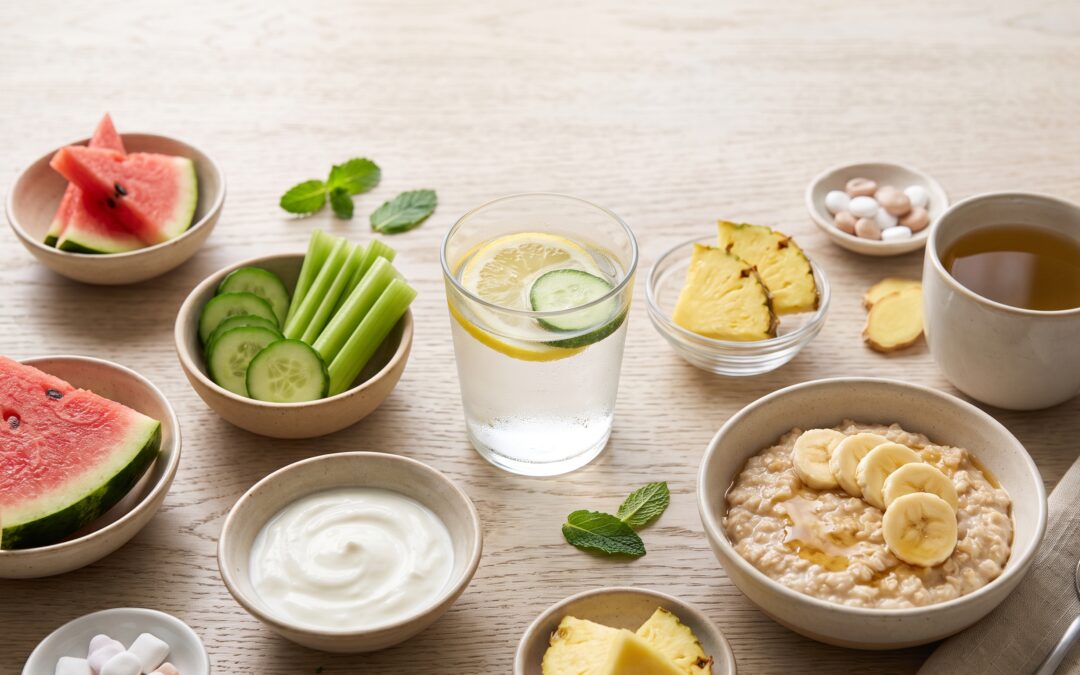
No single food treats xerostomia, but soft, moist foods for dry mouth can make eating more comfortable.
|
Food group |
Examples |
How they may help |
|
Protein-rich foods |
Yoghurt, soft scrambled eggs, paneer, dal |
Help meet protein needs |
|
Moist staples |
Soft rice with dal or gravy, oatmeal, soft khichdi |
Provide energy in an easier texture |
|
Soft fruits and vegetables |
Banana, mashed or soft-cooked vegetables |
Provide vitamins, minerals, and fibre |
|
Soups and smoothies |
Lentil soup, soft stews, milk or yoghurt smoothies |
Add moisture, energy, and fluids |
If swallowing is difficult, ask your team which textures are safe. For protein ideas, see our guide to high-protein foods for cancer patients.
How Can You Modify Meals?
- Add moisture: Combine rice with dal or gravy, moisten foods with broth, and add milk to cooked cereals if tolerated.
- Eat smaller meals: Eat slowly and take small bites.
- Check swallowing safety: Soft food is not automatically safe. If you cough, choke, or feel food sticking, ask for a swallowing assessment.
Hydration During Cancer Treatment: How to Maintain It
Hydration during cancer treatment remains important even when drinking is uncomfortable. Needs depend on your treatment and any fluid restrictions, so follow your team’s advice. You may find it helpful to:
- Take small, frequent sips of water
- Try fluid-containing foods such as soups
Adding gravies or broths may also make eating easier. For more on hydration and nutrition, read our guide to nutrition for cancer-related fatigue.
Foods to Avoid and Mouth Care Tips
Some foods may irritate a dry mouth, including very dry or crumbly foods, spicy or acidic foods, very salty foods, and alcohol-containing drinks or mouthwashes. Rather than following a restrictive diet, notice what triggers discomfort and replace it with suitable alternatives.
For mouth care, brush gently with a soft toothbrush, keep lips moisturised, avoid tobacco, and ask your team about a suitable mouth rinse.
Research comparing non-pharmacological approaches has examined several interventions. Ask your team which suit you.
Dry Mouth During Chemotherapy and Radiation
During chemotherapy: Some medicines can contribute to dry mouth. Choose moist, manageable meals and adapt as symptoms change. Our Chemo Care Program offers personalised support.
During and after radiation: Head and neck radiation can affect the salivary glands, and dryness may continue afterwards. Support may include suitable textures, adequate energy and protein, and supplements when appropriate. Research on the nutritional effects of dry mouth shows why these problems should be addressed early. Learn more about our Radiation Care Program.
What Does an Oncology Dietitian Do?
An oncology dietitian provides nutrition for dry mouth during cancer treatment by reviewing your intake and weight, suggesting food textures and meal changes, maintaining energy and protein intake, and advising when swallowing assessment or supplements are needed. If you are unsure when to seek support, read our guide on when to consult an oncology nutritionist.
When to Contact Your Healthcare Team Urgently
Contact your oncology team promptly if you:
- Cannot swallow food, fluids, or saliva, or cough and choke repeatedly when eating
- Cannot keep fluids down, or have very dark urine or dizziness
- Have a fever or severe mouth pain
- Are losing weight rapidly
Seek emergency care for severe breathing difficulty or choking.
Final Thought
Dry mouth affects more than comfort. A diet for dry mouth during cancer treatment should focus on moist textures, suitable protein, and appropriate hydration rather than a generic cancer diet.
If dry mouth is causing weight loss or swallowing difficulties, speak early with your cancer care team and an oncology dietitian.
Need Personalised Cancer Nutrition Support?
At Oncoheal Nutrition, we tailor nutrition support to your treatment, swallowing ability, symptoms, and food preferences. Book a Consultation with our oncology nutrition team.
FAQs
(Frequently Asked Questions)
1. What should dry mouth cancer patients eat?
Soft, moist foods such as yoghurt, eggs, soups, dal, and cooked cereals.
2. What foods help with dry mouth?
in dry mouth during cancer treatment Moist, easy-to-chew foods. Gravy, broth, or milk can help; no food cures dry mouth.
3. How can I stay hydrated during cancer treatment?
Take small, frequent sips and include soups, within your team’s fluid advice.
4. Does chemotherapy cause dry mouth?
Some chemotherapy medicines can contribute. Tell your team if eating becomes difficult.
5. Does radiation therapy cause dry mouth?
Yes. Head and neck radiation can reduce saliva production.
6. Can an oncology dietitian help with dry mouth?
Yes. They can suggest suitable foods, adjust textures, and identify when more support is needed for dry mouth cancer symptoms.
Medical Disclaimer
Disclaimer: This article is for general educational purposes only and does not replace medical advice, diagnosis, or treatment. Please consult your oncologist and a qualified oncology dietitian before making dietary changes or taking supplements.
References
- Hong C, Beier Jensen S, Vissink A, et al. MASCC/ISOO Clinical Practice Statement: Management of salivary gland hypofunction and xerostomia in cancer patients. Supportive Care in Cancer. 2024;32(8):548. Read the clinical statement
- Kiss N, Findlay M, Frowen J, et al. Guidelines for nutrition in adults with head and neck cancer. Journal of Parenteral and Enteral Nutrition. 2026;50(3):274–338. Read the guideline
- Mercadante V, Jensen SB, Smith DK, et al. Salivary gland hypofunction and/or xerostomia induced by nonsurgical cancer therapies: ISOO/MASCC/ASCO guideline. Journal of Clinical Oncology. 2021;39(25):2825–2843. Read the guideline
- Arends J, Bachmann P, Baracos V, et al. ESPEN guidelines on nutrition in cancer patients. Clinical Nutrition. 2017;36(1):11–48. Read the guideline
- Bressan V, Stevanin S, Bianchi M, et al. The effects of swallowing disorders, dysgeusia, oral mucositis and xerostomia on nutritional status, oral intake and weight loss in head and neck cancer patients: A systematic review. Cancer Treatment Reviews. 2016;45:105–119. Read the review
- Cheng X, Wang L, Ho MH, et al. Non-Pharmacological Interventions for Improving Xerostomia Among Patients With Head and Neck Cancer: A Systematic Review and Network Meta-Analysis. Head & Neck. 2026;48(1):302–316. Read the study